How to avoid acid reflux and GERD
Acid reflux and GERD (Gastroesophageal Reflux Disease) are common digestive issues that affect millions of people globally. While occasional heartburn may not be alarming, frequent symptoms can signal GERD. Fortunately, understanding the condition and taking early action can prevent long-term discomfort and complications.
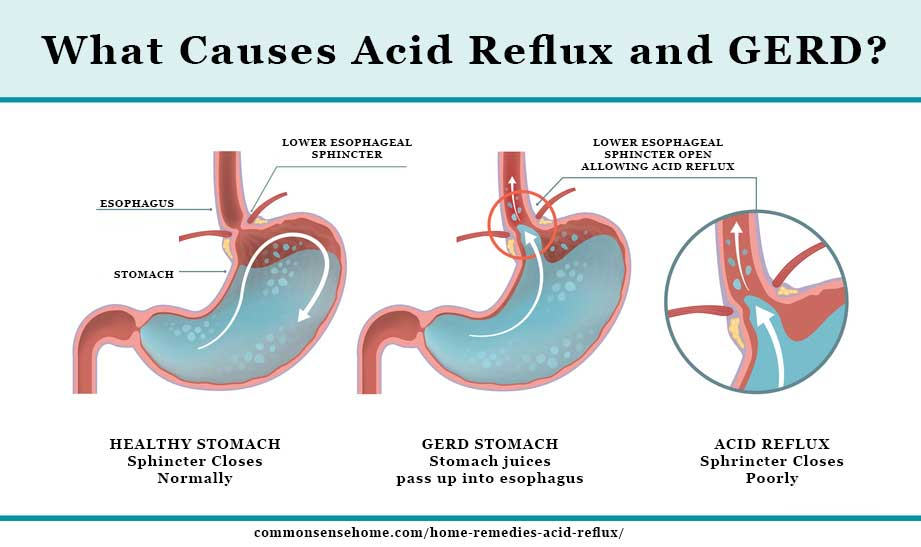
First, it helps to know the difference. Acid reflux occurs when stomach acid backs up into the esophagus, often causing a burning sensation. When this happens more than twice a week, it may indicate GERD—a chronic form of reflux that can damage the esophageal lining.
So, how can one avoid acid reflux and GERD? For starters, making a few lifestyle changes goes a long way. Eat smaller, more frequent meals instead of heavy portions. Avoid lying down immediately after eating. Also, try not to eat late at night. Additionally, it’s wise to limit spicy foods, caffeine, chocolate, citrus, and alcohol, as they can trigger symptoms.
Moreover, maintaining a healthy weight can reduce pressure on the stomach, which helps prevent acid from rising. Wearing loose clothing also minimizes unnecessary pressure on the abdomen. If you smoke, quitting can significantly reduce symptoms and improve overall digestive health.
In some cases, over-the-counter antacids may provide relief. However, when symptoms persist despite changes, it’s essential to consult a doctor. Dr. Nayar recommends seeking professional guidance if you experience frequent heartburn, difficulty swallowing, or chest discomfort.
To conclude, acid reflux and GERD may seem like minor issues at first. However, left unmanaged, they can affect your daily life and overall health. With the right habits, awareness, and timely intervention, you can control symptoms and live more comfortably.
Beyond diet and lifestyle, stress also plays a significant role in triggering acid reflux. High-stress levels can disrupt digestion and increase stomach acid production. Therefore, incorporating stress-relieving practices like yoga, meditation, or even simple breathing exercises can offer real benefits. Creating a calm bedtime routine and getting enough sleep also supports better digestive function.
Finally, consistent follow-up is key if you’ve been diagnosed with GERD. Over time, untreated GERD may lead to complications such as esophagitis or Barrett’s esophagus. Dr. Nayar emphasizes the importance of not ignoring persistent symptoms. Regular check-ups, timely endoscopy when recommended, and following your treatment plan help protect your long-term health and well-being.