Surgical mesh fail; Surgical mesh has transformed hernia repair over the past few decades. Today, surgeons commonly use mesh to strengthen weakened abdominal walls and reduce the risk of hernia recurrence. In most cases, mesh performs exceptionally well and provides long-lasting support. However, like any medical implant, complications can occur.
So, why do some surgical mesh fail?
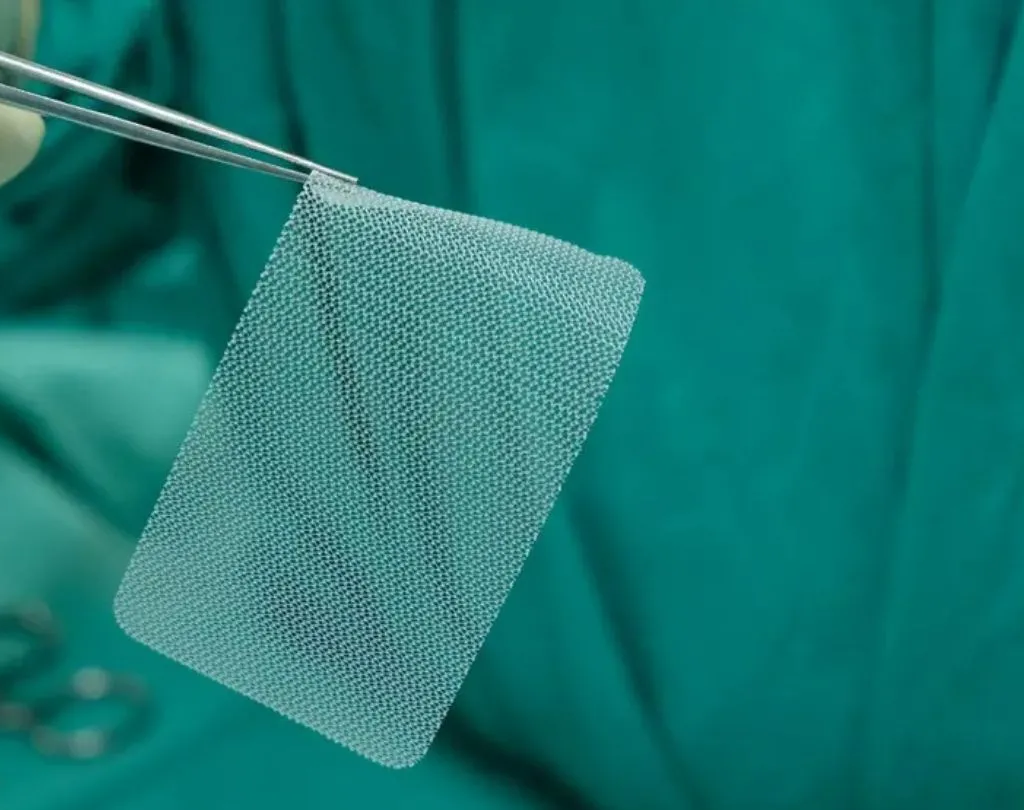
Understanding the Role of Surgical Mesh
Surgical mesh acts as a reinforcement material. After placement, the body’s tissues grow into the mesh, creating a stronger repair. Consequently, patients often experience lower recurrence rates compared to traditional tissue-only repairs.
Nevertheless, success depends on several factors. The quality of the mesh, surgical technique, patient health, and postoperative care all influence the final outcome.
Common Reasons for Surgical Mesh Failure
One major reason is infection. Although infections are relatively uncommon, bacteria can sometimes attach to the mesh surface. As a result, patients may develop pain, swelling, redness, or pus discharge.
Additionally, improper mesh placement can lead to complications. If the mesh folds, shifts, or does not adequately cover the defect, the hernia may return.
Furthermore, poor tissue healing can affect mesh integration. Conditions such as diabetes, obesity, smoking, and malnutrition may slow recovery and weaken the repair.
The Impact of Patient Factors
Patient-related factors play an important role. Chronic coughing, heavy lifting, and persistent constipation can increase abdominal pressure. Consequently, excessive strain may compromise the repair over time.
Moreover, previous surgeries can create scar tissue and adhesions, making future repairs more challenging.
Can Mesh Failure Be Prevented?
Fortunately, many complications are preventable. Choosing an experienced surgeon significantly improves outcomes. Likewise, following postoperative instructions carefully helps protect the repair during healing.
Patients should also maintain a healthy weight, avoid smoking, and manage chronic medical conditions effectively.
Conclusion
Surgical mesh remains one of the most effective tools for hernia repair. However, success requires proper planning, skilled execution, and patient cooperation. Therefore, understanding the factors that contribute to mesh failure can help patients make informed decisions and achieve better long-term results.