Delaying fistula treatment; An anal fistula is more than a minor inconvenience. While symptoms may seem manageable initially, delaying treatment can lead to significant complications. Therefore, early diagnosis and timely intervention remain essential.
What Is an Anal Fistula?
An anal fistula is an abnormal tunnel that connects the anal canal to the skin around the anus. In most cases, it develops after an anal abscess or infection.
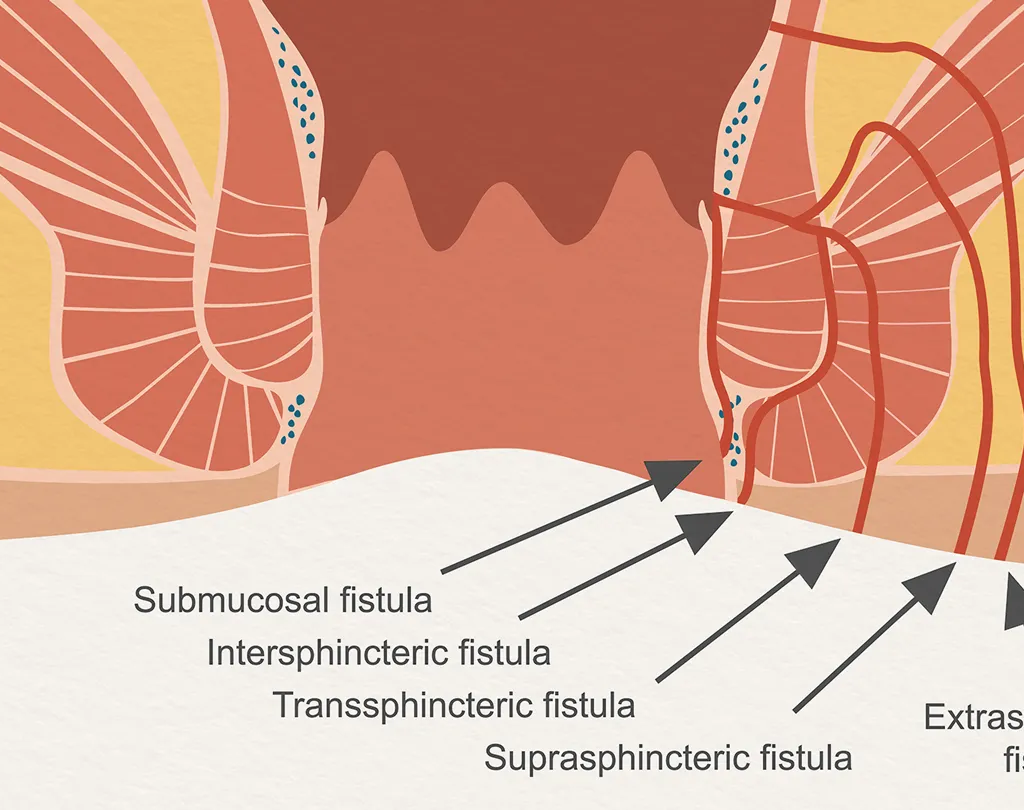
Patients often experience recurring pain, swelling, pus discharge, and irritation. Although symptoms may temporarily improve, the underlying problem rarely resolves on its own.
Why Patients Delay Treatment
Many individuals feel embarrassed discussing anorectal conditions. Consequently, they postpone medical evaluation.
Others assume the problem will heal naturally. Unfortunately, fistulas usually persist and often become more complex over time.
Risks of Delayed Treatment
One major concern is recurrent infection. As bacteria continue to accumulate, repeated abscess formation may occur.
Furthermore, untreated fistulas can develop multiple branching tracts. As a result, surgery becomes more complicated and recovery may take longer.
Additionally, chronic inflammation can significantly affect quality of life. Persistent pain, drainage, and discomfort often interfere with daily activities.
Impact on Surgical Outcomes
Early-stage fistulas generally respond better to treatment. In contrast, delayed cases may require more extensive procedures.
Moreover, complex fistulas increase the risk of recurrence. Therefore, timely management often improves long-term success rates.
Modern Treatment Options
Fortunately, modern surgical techniques offer effective solutions. Depending on the fistula type, treatment options may include:
- Fistulotomy
- Laser-assisted procedures
- Seton placement
- Advanced sphincter-preserving techniques
Your surgeon will recommend the most appropriate approach based on individual circumstances.
Beyond physical symptoms, delaying fistula treatment can also affect emotional well-being and daily quality of life. Many patients experience ongoing discomfort while sitting, walking, or performing routine activities. Moreover, persistent drainage may lead to hygiene concerns, embarrassment, and reduced confidence in social situations. Over time, repeated infections can result in frequent doctor visits, antibiotic use, and missed workdays. Consequently, what may begin as a manageable condition can gradually become a significant burden. Early evaluation not only helps control symptoms but also prevents the fistula from becoming more extensive and difficult to treat. Therefore, seeking medical attention at the first sign of persistent pain, swelling, or discharge can save patients from prolonged suffering and more complex surgical procedures in the future.
Conclusion
Ignoring an anal fistula rarely makes it disappear. Instead, delays often allow the condition to worsen. Therefore, seeking expert evaluation early can reduce complications, simplify treatment, and improve recovery outcomes.