Gallstones and gallbladder disease affect millions of people worldwide. When symptoms become frequent or severe, doctors often recommend laparoscopic gallbladder removal. Although the idea of surgery may feel intimidating, understanding the procedure can help patients feel more confident.
Why Is Gallbladder Removal Needed?
The gallbladder stores bile, which helps digest fats. However, gallstones can block bile flow and cause pain, inflammation, infection, or digestive problems.
Consequently, removing the gallbladder often provides permanent relief.
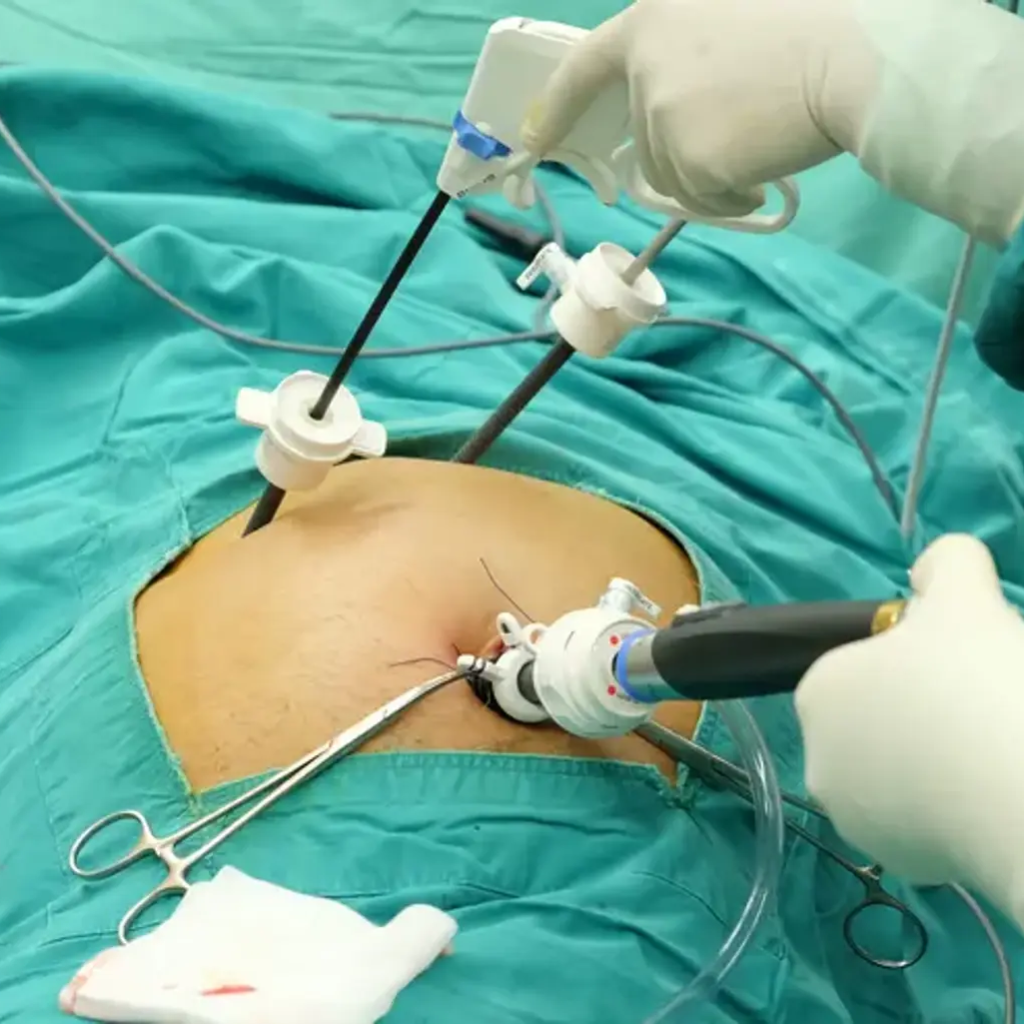
What Is Laparoscopic Surgery?
Laparoscopic surgery is a minimally invasive technique. Instead of making one large incision, surgeons create several small openings in the abdomen.
Through these openings, they insert a camera and specialized surgical instruments.
What Happens During the Procedure?
The patient receives general anesthesia before surgery begins.
Next, the surgeon inflates the abdomen with gas to improve visibility. Then, a laparoscope transmits high-definition images to a monitor.
Using these images as guidance, the surgeon carefully separates and removes the gallbladder.
Finally, the small incisions are closed.
Benefits of Laparoscopic Gallbladder Removal
This approach offers several advantages:
- Smaller scars
- Less postoperative pain
- Faster recovery
- Shorter hospital stay
- Lower risk of complications
Therefore, laparoscopic surgery has become the preferred treatment for most gallbladder conditions.
Recovery After Surgery
Most patients return home the same day or within 24 hours. Additionally, many resume normal activities within one to two weeks.
Following dietary and activity recommendations helps ensure smooth recovery.
Life After Gallbladder Removal
Many patients worry about how their body will function without a gallbladder. Fortunately, most people continue to live normal, healthy lives after surgery. Although the gallbladder stores bile, the liver continues to produce it even after the organ is removed. Instead of being stored, bile flows directly into the small intestine to aid digestion. During the first few weeks after surgery, some patients may notice mild digestive changes, such as bloating, loose stools, or sensitivity to fatty foods. However, these symptoms usually improve as the body adjusts. Additionally, following a balanced diet, staying hydrated, and gradually reintroducing foods can support a smoother recovery. Regular follow-up appointments also allow your surgeon to monitor healing and address any concerns. As a result, most patients experience significant relief from gallbladder-related pain and return to their normal daily activities with improved comfort and quality of life.
Conclusion
Laparoscopic gallbladder removal remains one of the safest and most effective surgical procedures available today. With proper care and guidance, patients can expect excellent outcomes and improved quality of life.