The thyroid gland may be small, but it plays a major role in regulating metabolism, energy levels, body temperature, and overall health. Unfortunately, thyroid disorders often develop gradually, making symptoms easy to overlook. Therefore, understanding when to get your thyroid checked can help prevent long-term complications.
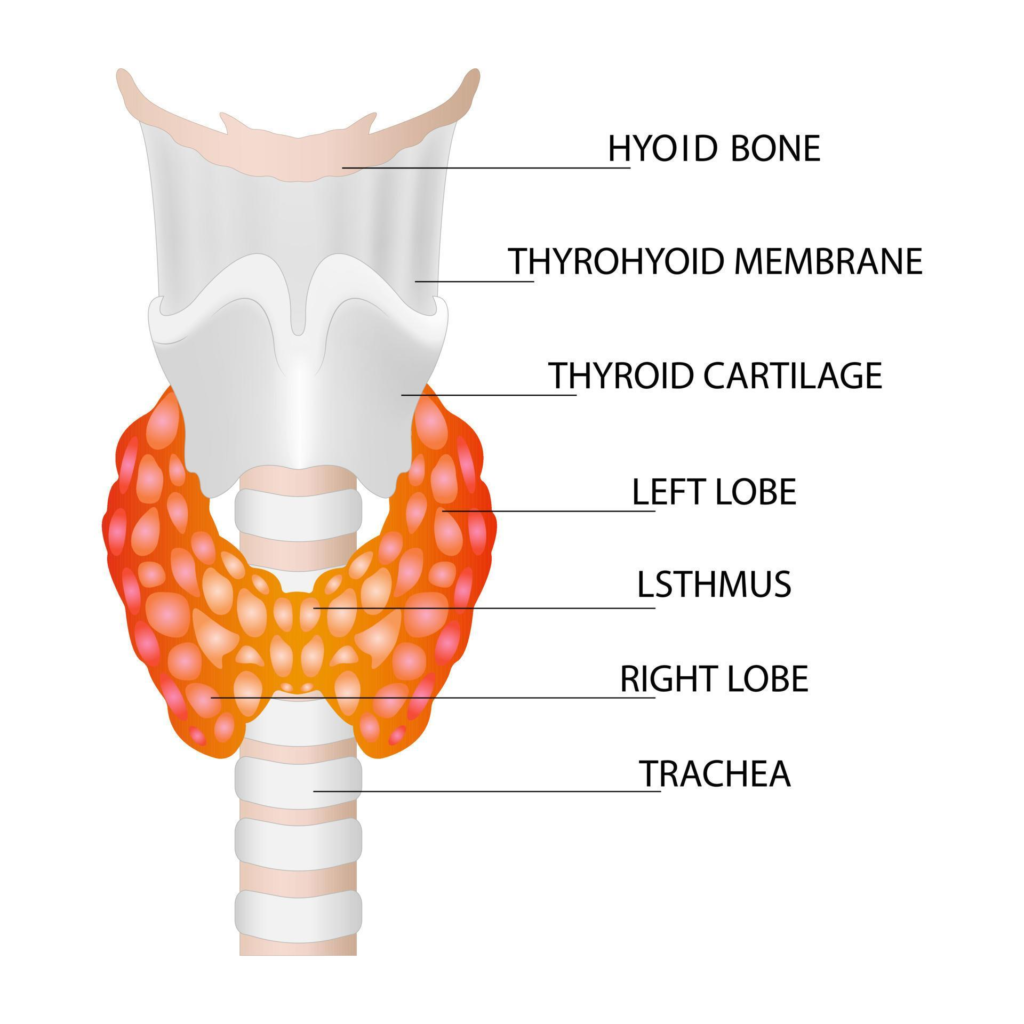
What Does the Thyroid Do?
The thyroid produces hormones that influence nearly every organ system in the body. As a result, both overactive and underactive thyroid conditions can affect daily life significantly.
Common Symptoms of Thyroid Problems
Several symptoms may indicate a thyroid disorder:
- Unexplained weight gain or weight loss
- Persistent fatigue
- Hair thinning or hair loss
- Dry skin
- Mood changes
- Irregular menstrual cycles
- Increased sensitivity to cold or heat
- Difficulty concentrating
Moreover, these symptoms often develop slowly, causing many people to attribute them to stress or aging.
Who Should Consider Thyroid Testing?
Certain individuals face a higher risk of thyroid disease.
You should consider testing if:
- You have a family history of thyroid disorders
- You experience persistent symptoms
- You are over 35 years of age
- You have autoimmune conditions
- You are pregnant or planning pregnancy
Additionally, women are more likely than men to develop thyroid disorders.
Why Early Detection Matters
Early diagnosis allows doctors to manage thyroid conditions effectively. Furthermore, treatment often improves energy levels, metabolism, and overall well-being.
Ignoring symptoms, however, may lead to complications involving the heart, fertility, and mental health.
What Does Thyroid Testing Involve?
Fortunately, testing is simple. A blood test measures hormone levels and helps determine whether the thyroid functions normally.
In addition to recognizing symptoms, regular health check-ups play an important role in detecting thyroid disorders early. Many thyroid conditions develop gradually and may not cause obvious symptoms during the initial stages. As a result, routine blood tests can sometimes identify abnormalities before significant health problems arise. This becomes especially important for individuals with a family history of thyroid disease, autoimmune disorders, or previous thyroid conditions. Furthermore, women during pregnancy and after childbirth should pay close attention to thyroid health, as hormonal changes can affect thyroid function. Even if symptoms seem mild, such as occasional fatigue or slight weight changes, discussing them with your doctor can provide valuable insights. Early testing not only helps confirm or rule out thyroid disease but also allows timely treatment if needed. Consequently, patients can avoid complications and maintain better long-term health, energy levels, and overall quality of life.
Conclusion
Thyroid disorders are common, yet many remain undiagnosed. Therefore, if you experience persistent symptoms or have risk factors, this is When should you get your thyroid checked testing with your doctor is a wise step toward protecting your health.